The Near North in Transition
Changes in the Inter-War Years
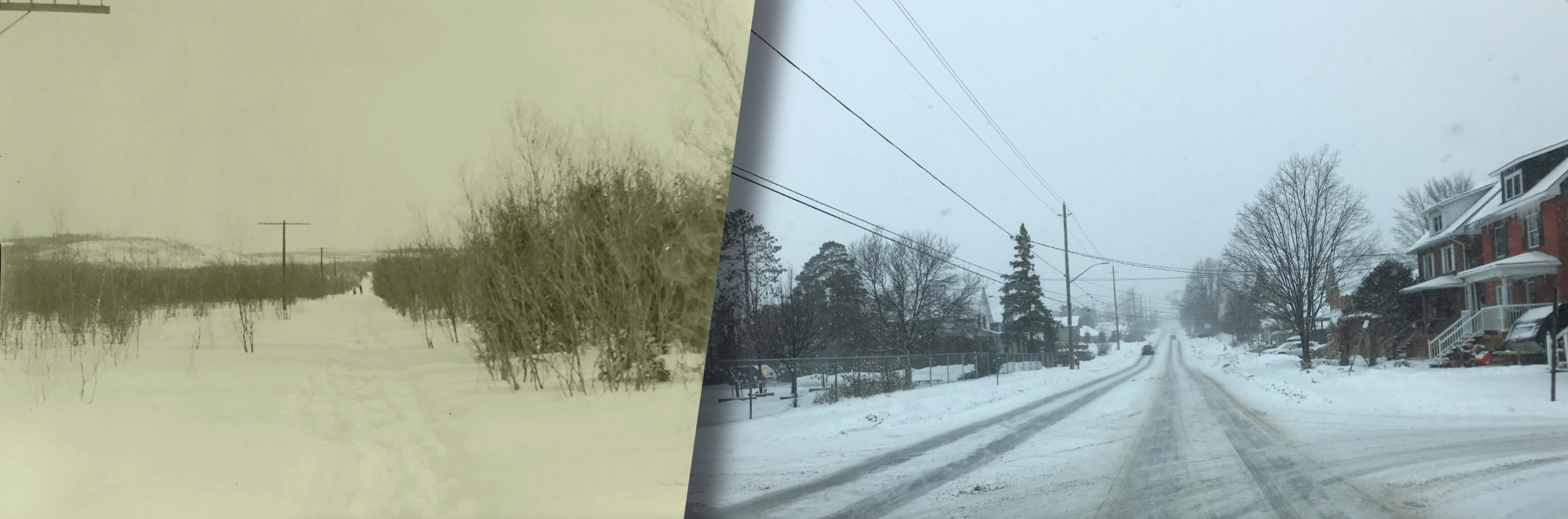
Jane Street, Winter 1927/1928, and Winter 2023/2024
Long Before Kerouac
With the advent of the automobile, Northern Ontario became an accessible holiday for those hardy souls (like the Rickers in 1931) who chose to go camping out of the back of their car. Note the organized campgrounds already created for parking and car-sized ferries (the bridges were for trains at this time). Dirt roads were treacherous, though.
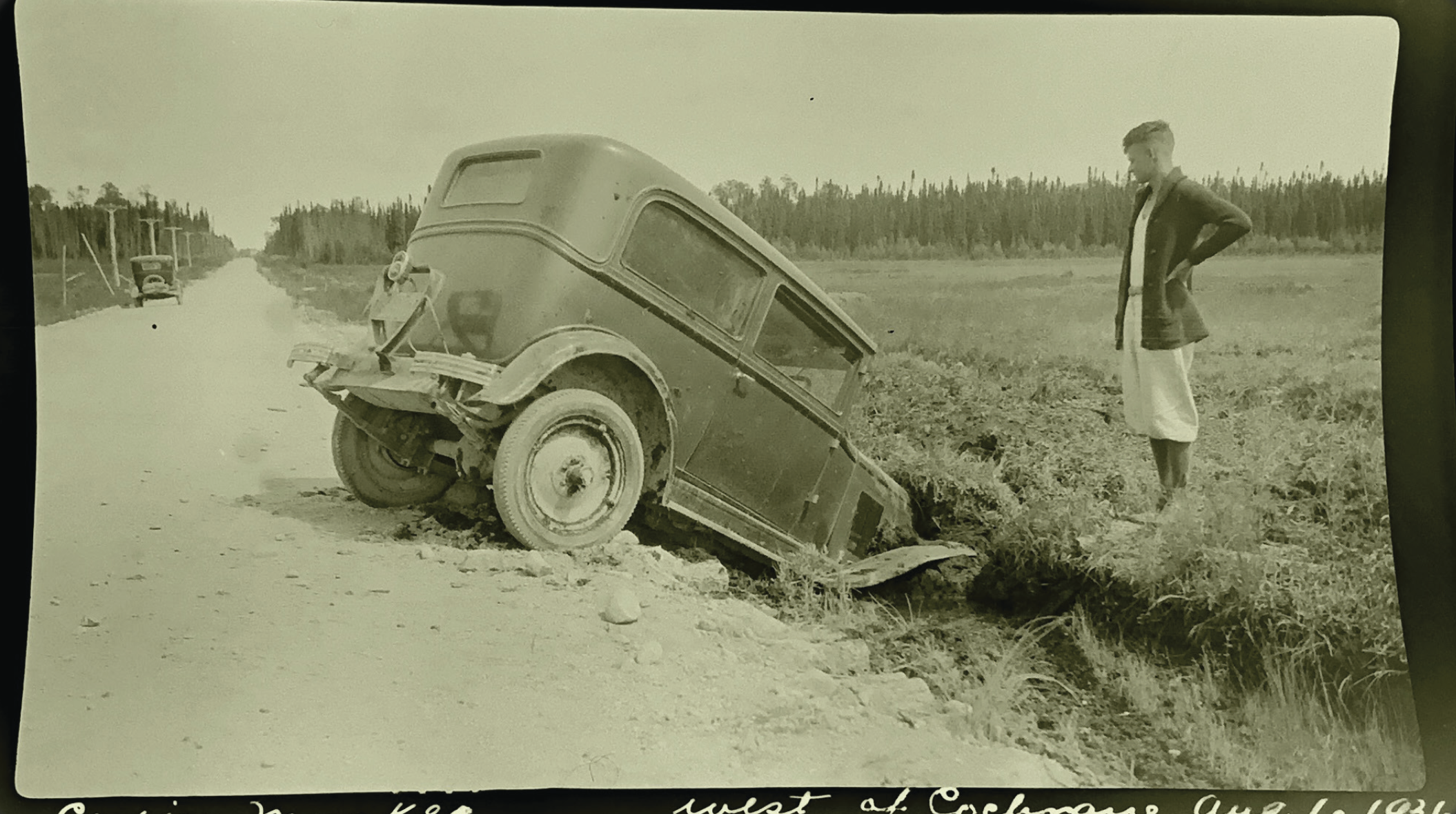
Car in Muskeg, West of Cochrane, 1 August 1931
Harry Ricker
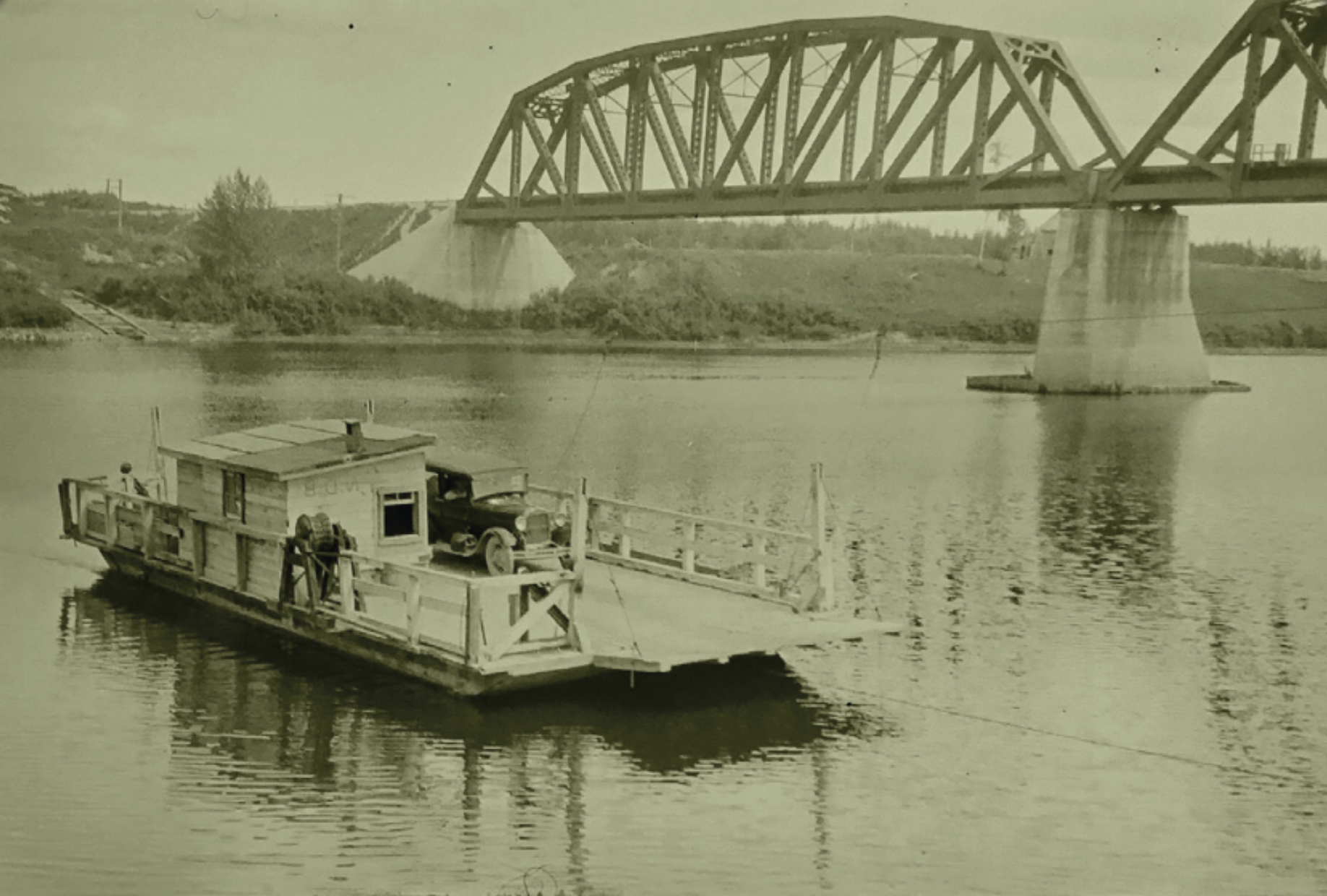
Ferry on Ground Hog River, 1 August 1931
Harry Ricker
City Going to the Dogs
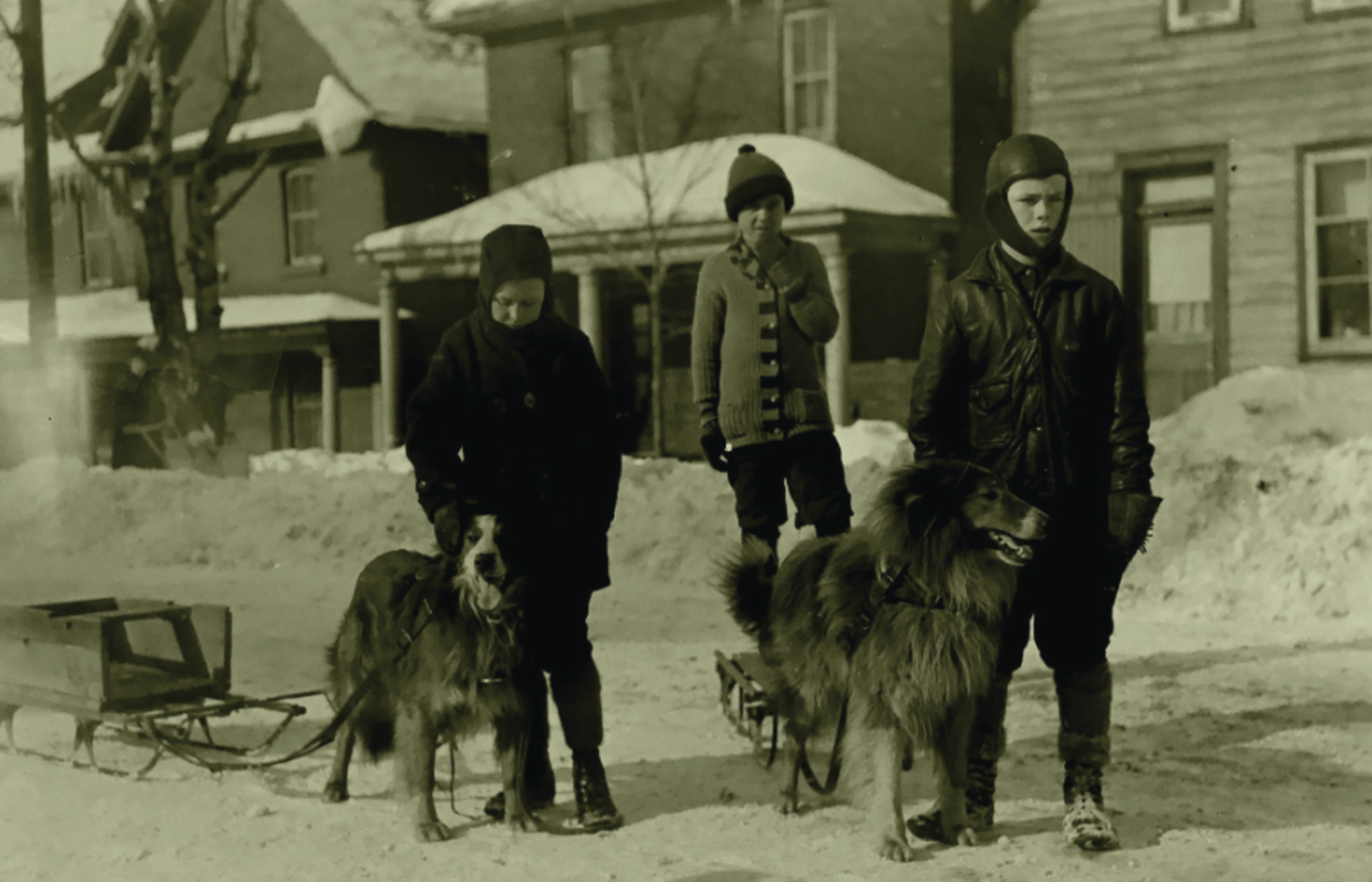
According to Cuthbert Gunning’s North Bay: The Lean Years), leash-laws in the inter-war period only applied in the summer. For the rest of the year, dogs were allowed to roam free. Shown here are three participants in the February 1929 Annual Boy Scout Dog Derby, where boys “captured” the beasts to race down Main Street in North Bay’s own version of the Iditarod.
Filling the Ice-Box
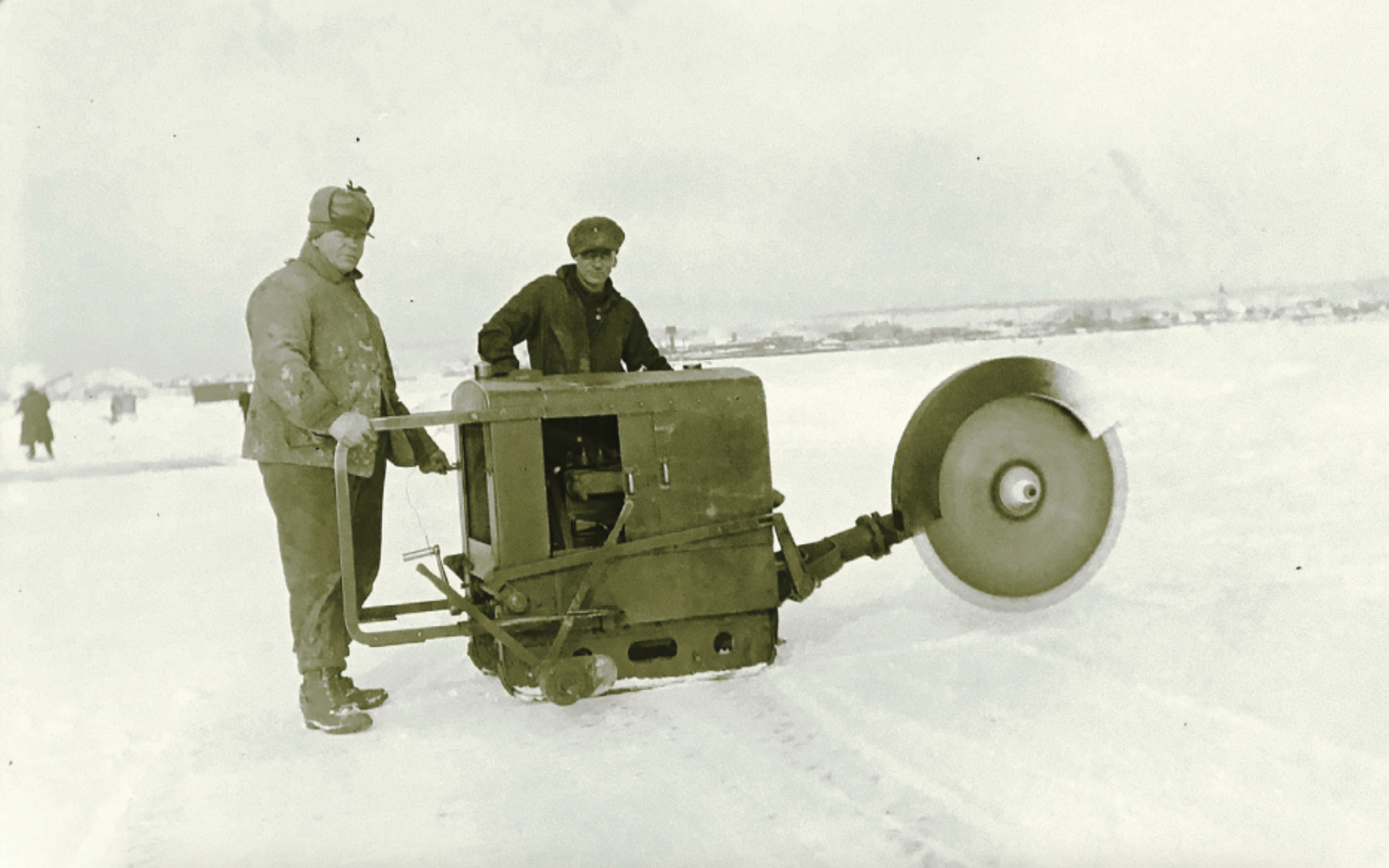
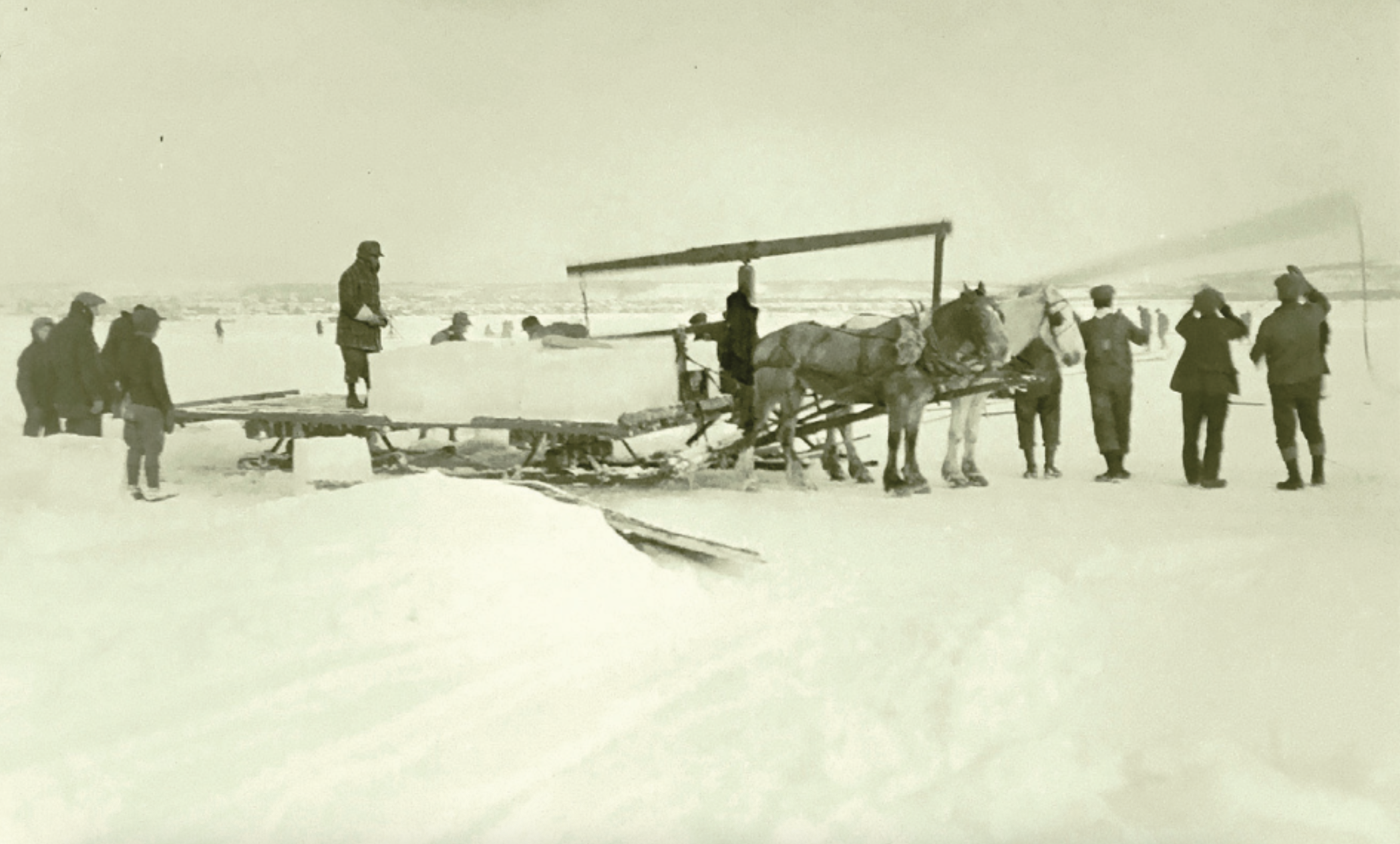
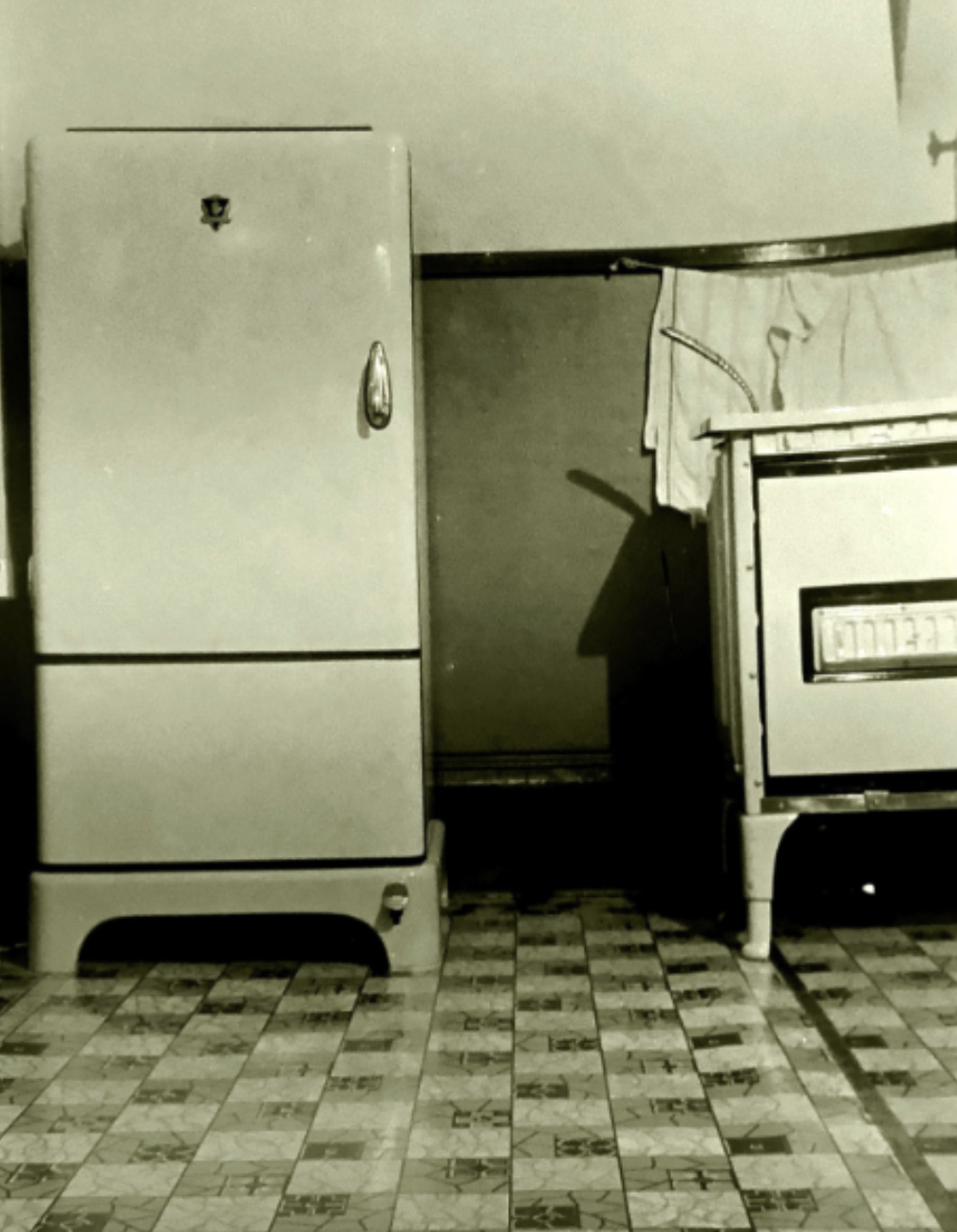
Before electric refrigeration, the ice-box was the mainstay in the kitchen. This meant a cutting and transporting blocks to an ice house during the winter months for storage - to then be distributed to the city’s houses year-round. Shown here are photographs take in February 1929: The sawing machine; Sawing by hand; loading the ice on the sleighs. The final picture is Ricker’s own state-of-the-art ice-box.
Breaking the Ice
Hauling the Ice
Ricker’s Ice-Box
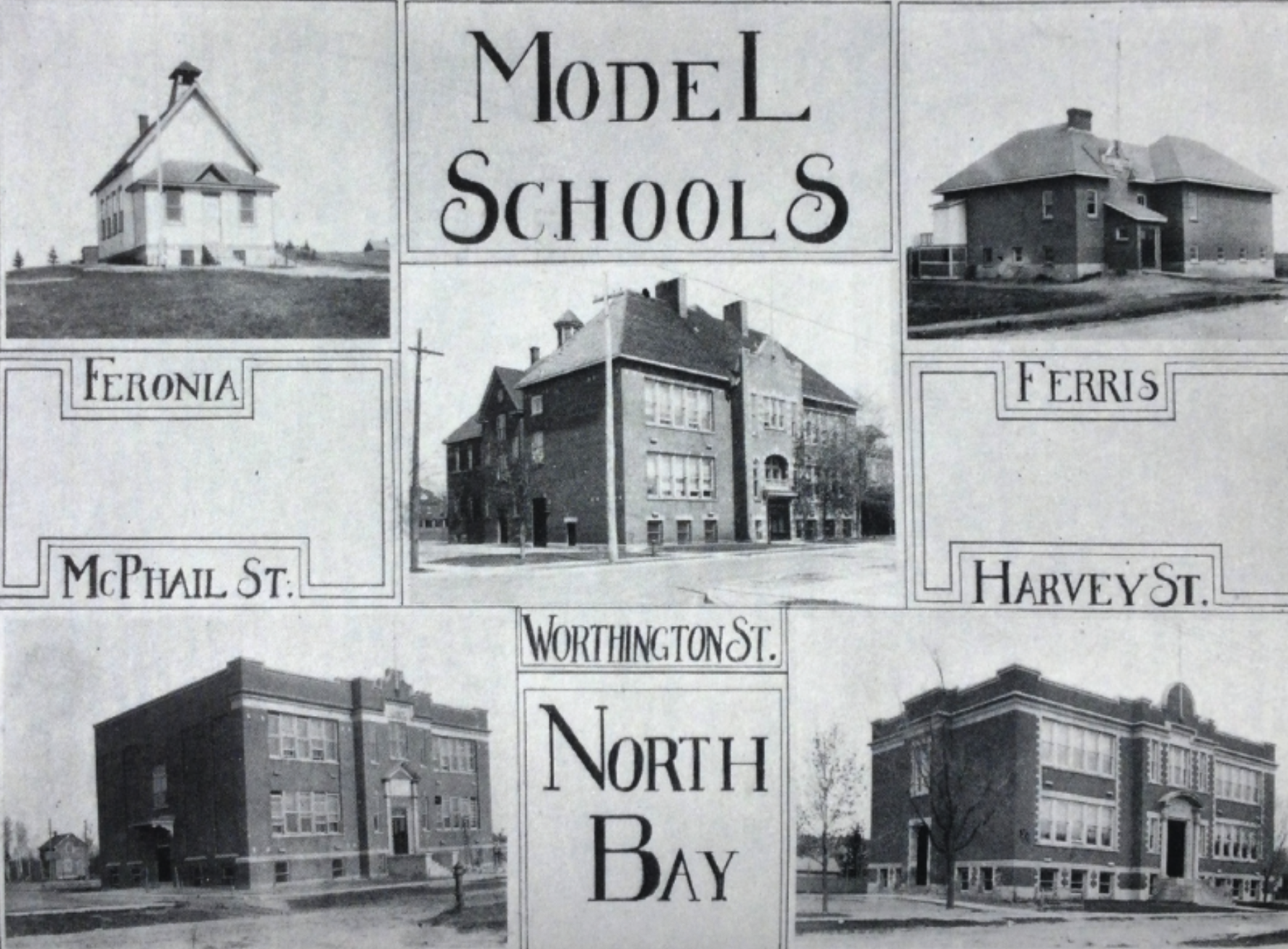
Model Schools
Model Schools were considered the most appropriate places for teacher candidates to get first hand experiences in teaching. Shown below from right to left are what remains from these institutions: Built in 1912, the Harvey Street School (aka King George) was shuttered and sold to a film company in 2019; Worthington School, originally constructed in 1890, was demolished in 1976 to make way for a parking lot; McPhail School (aka Dr. Carruthers), built in 1922, was closed in 2002 and transformed into an apartment building; established before 1920, Feronia’s one-room school house lasted generations, and was torn down only in recent years; Where did Ferris go?
Arbour Day and Gardens
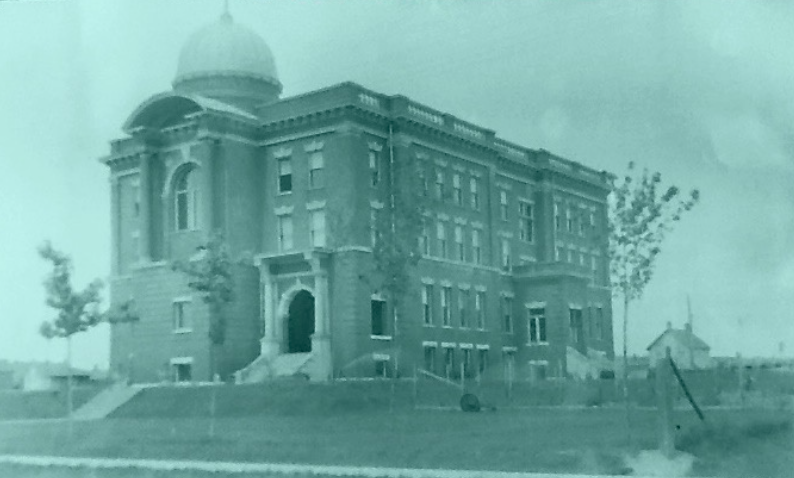
According to Cuthbert Gunning’s North Bay: World War I and the Decade that Followed, 1914-1928: “Arbour Day of 1916 found Normal School students planting trees on the property adjacent to the school and to the east in the lands that eventually formed Memorial Park. All this was acceptable to the town council until, under the direction of science teacher Mr. Ricker, a section of the block between the Normal School and the future Memorial Park was ploughed up. This was in violation of the original deed. Compromise followed, with the problem settled to the satisfaction of all.” (pp. 41-2). As seen by this 1941 photograph, the garden existed until Ricker retired.
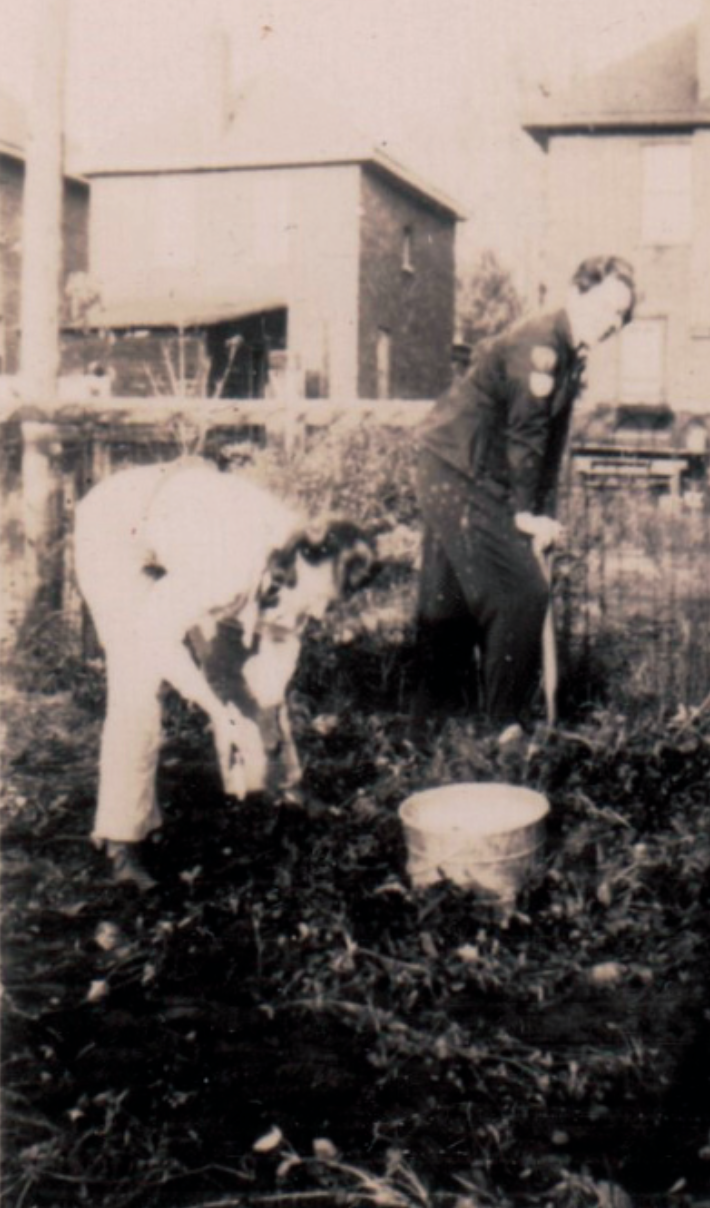
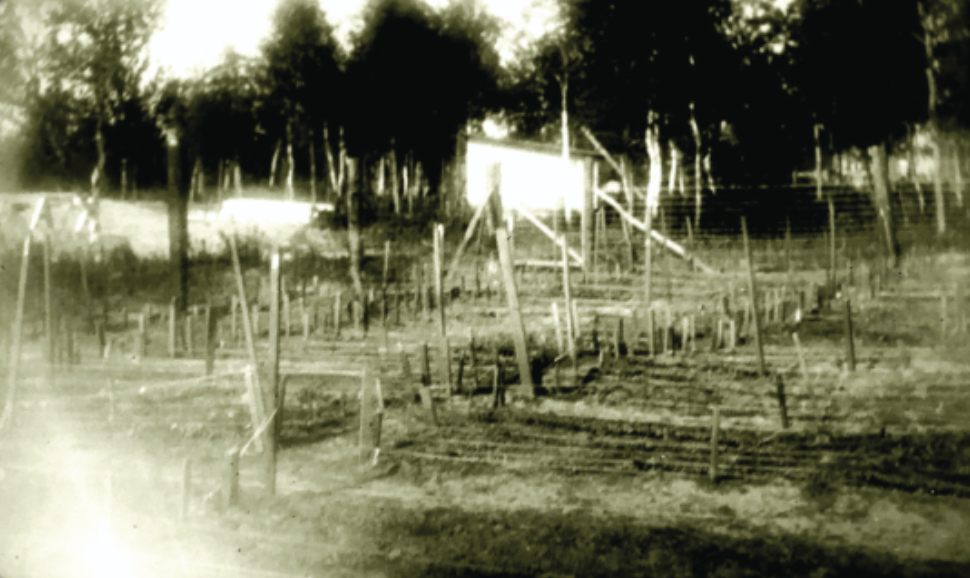
As part of a child’s agricultural education, many public schools created a vegetable garden. Shown here is the garden beside McPhail during the inter-war years. All that remains today is a parking lot due to a post-war mania for the automobile.